Whatever your tribe, Japan’s enormous capital has got you. From art and cuisine to multiple LGBTQ+ scenes, Tokyo’s mashup of the hypermodern and ancient is a fascinating delight
Written by
Paul Gallant
June 24, 2026 last updated July 10, 2026
Two engineers wearing protective gear collaboratively review data on a laptop at an industrial site. They are discussing operations amidst the plant's infrastructure.
With cool neighbourhood after cool neighbourhood, subculture within subculture and myriad options for doing any particular activity or getting to any particular place, Tokyo can be a hard city to get your head around. Want a view of the skyline? Which view? There are at least a dozen observation decks scattered around this metropolis of more than 40 million, including two free ones at the Tokyo Metropolitan Government Building in Shinjuku.
What’s the best shopping mall? There are more than a dozen notable malls, and what’s a mall anyway? There’s excellent shopping in train stations, mixed-use towers, underground pedestrian corridors and clusters of enormous department stores (a fading type of retail elsewhere, department stores are still very popular in Japan). Enjoy modern and contemporary art? There are more than 20 large modern and contemporary art museums, as well as hundreds of private galleries. Take that Louvre, Prado and MoMA.
Want to visit a gay bar? There are probably around 400 bars dedicated to the LGBTQ+ community in Tokyo alone, ranging from full-on nightclubs to Western-style bars to tiny gay lunch bars that seat fewer than 10 patrons, including multiple options for women and trans people. (Read our article on Tokyo’s snack bars here.) Want to visit a café where you can spend time with cats or Samoyed dogs, Poodles or hedgehogs or miniature pigs or rabbits? Tokyo’s got you.
Advertisement
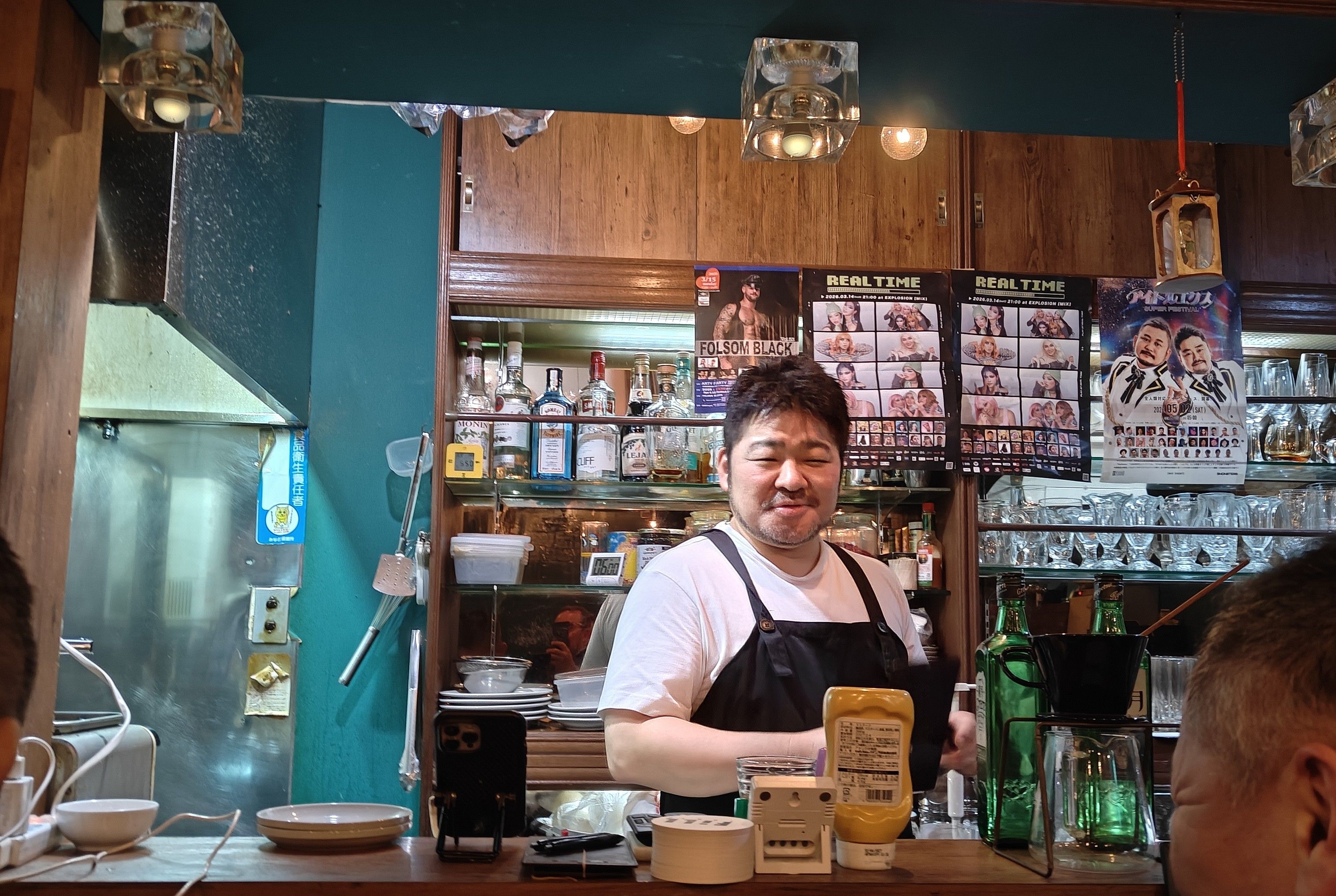
Fill restaraurant in Shimbashi is one of the gay community's favourite eateries. Credit: Paul Gallant
And food choices? Even the 7-Elevens have great light meals, never mind all those Wagyu beef burger places.
You can’t do it all in a week—probably not in a lifetime. Decisions have to be made. A trip to Tokyo may require more research time than other trips.
For a long time, Japan was a relatively pricey destination. But a weak yen has made it as affordable as Mexico or Thailand for western visitors. The influx of tourists has made Tokyo increasingly visitor-friendly, with more and more English-language signage and menus. The proliferation of screens and other assorted technology for ordering food or checking into a hotel also makes it easier to navigate the culture.
Advertisement
Though Japan is quick to adopt commercial innovations, it’s been slower to embrace social change, especially around sexual orientation and sexual identity. Japan is the only G7 nation without legal recognition of same-gender marriage, though some municipalities, including Tokyo, issue partnership certificates, which provide limited partnership rights. It’s possible, if language permits, to find more nonbinary and trans spaces here than in the rest of the world, yet at the same time, Japan has higher hurdles to transitioning than many other rich countries and does not recognize nonbinary identity.
So while Tokyo’s LGBTQ+ community is large and active, and Japanese people are largely accepting of the idea of queer people, things can feel a little underground. Ni-chōme, the main gaybourhood, located in the district of Shinjuku, is the rainbow flag–flying exception. Elsewhere, there are overt public nods to LGBTQ+ people. It’s still common for queer Japanese people, even those who are out and about in the community, to be closeted with their family or in their workplace. The Japanese idea of honne (one’s true feelings/private self) and tatemae (one’s public face/façade) can be a constraint. Public displays of affection—queer, straight or otherwise—are not part of Japanese culture and may make locals feel as uncomfortable as eating while walking (considered rude), littering (don’t even think about it) or crossing against a red light (don’t be such a rebel).
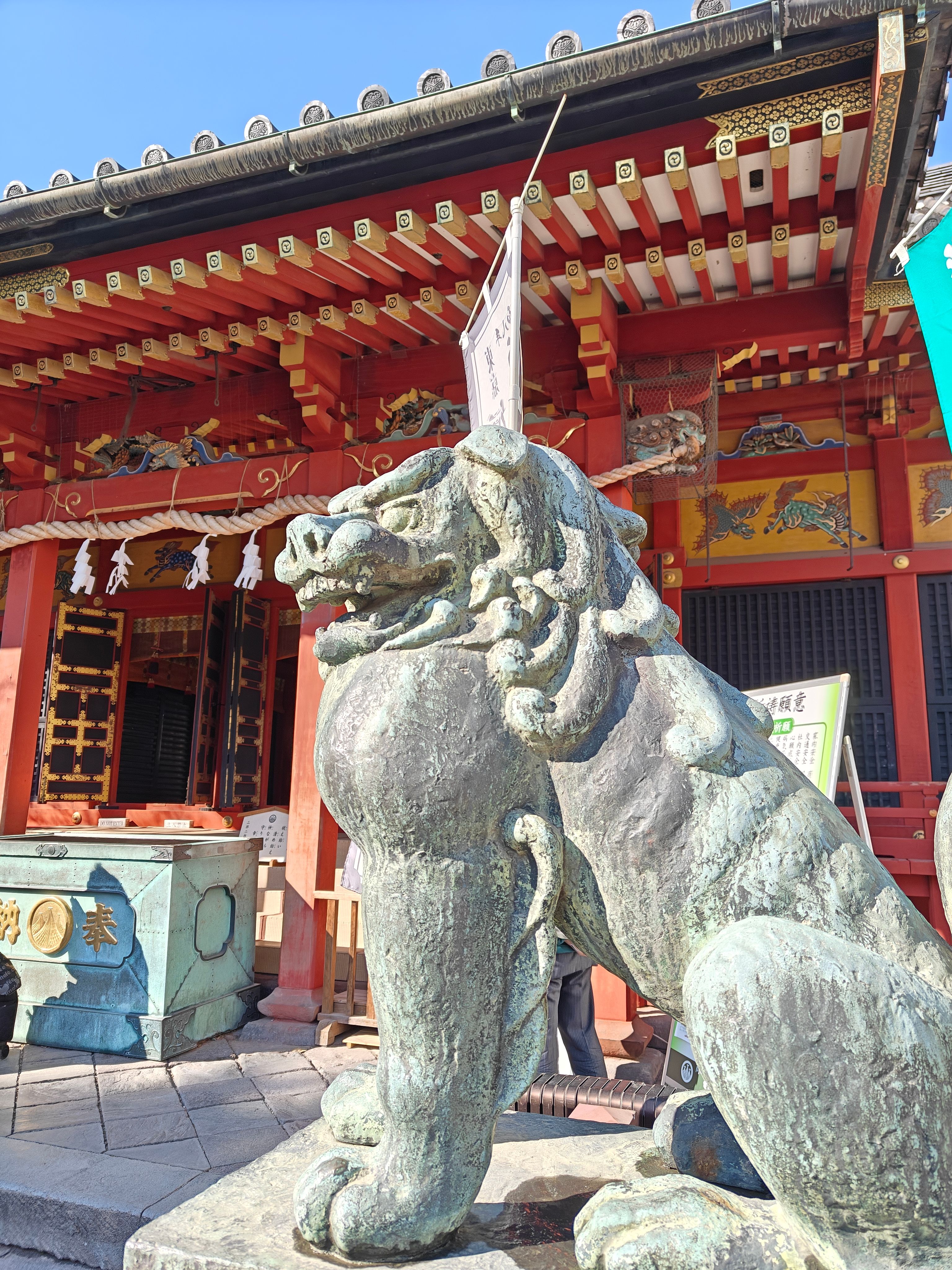
The Sensō-ji temple in the Asakusa district. Credit: Paul Gallant
Yet homoeroticism and gender nonconformity are baked deeply into various corners of Japanese culture. When one of six annual sumo wrestling tournaments are taking place, TV sports are awash in nearly naked men throwing themselves at each other. Though not as popular as sumo wrestling, kabuki theatre features male actors playing female roles, creating stylized moments of gender-bending and homoeroticism. Japanese fashion, depending on the season, often leans into androgyny and fluid presentation.
Advertisement
In the massive world of Japanese comic books and graphic novels called manga, B/L or “boys’ love” is a major subgenre, featuring love and often explicit sex between young men (the naughtier end of the spectrum is called yaoi). Like MM romance novels in the West, B/L manga is mostly created and read by straight women, but it gives gayness a high level of mainstream visibility—aisles and aisles of a mainstream bookstore might be devoted to B/L books. Manga created by gay men, called bara or gachimuchi, usually features bearish or muscular adult men and hews closer to Tom of Finland than Harlequin romance. Visitors will see the hypermasculinity (and sometimes brutality) of work by or inspired by world-famous manga artist and writer Gengoroh Tagame used in the art and posters in many Tokyo gay spaces. For that matter, though there is excellent Japanese drag, and gay bars featuring muscular young men who might do some go-go dancing or allow you to buy them an overpriced drink are more popular than drag bars.
For those who tire of the Ni-chōme scene, check out the scene in Shibuya or Ueno, where the bars are sometimes less foreigner-friendly, but the park cruising is intense.
Although the Tokyo metro, parts of which are operated by private companies, can seem daunting at first, all the information a visitor needs is there in English-language signage; it’s just a matter of filtering out the barrage of other information that’s coming at you. All visitors to Japan should buy an IC card (there are several flavours and brands, as you would expect in Japan) that can be loaded with credit and used to pay for trips on any company’s transit system nationwide, as well as at convenience stores, vending machines and other retailers. An IC card removes a lot of complicated ticket buying.
Advertisement
Before we dive into our insider’s guide to the best of LGBTQ+ Tokyo, a note on addresses and place names. In Japanese parlance, Tokyo is a prefecture. What we in the west would call burroughs, wards or districts—like Shinjuku, Ueno, Shibuya or Shinbashi—are called cities. In this guide, we will casually refer to them as districts. Each city/district is divided into numbered subdivisions called chome—neighbourhoods, essentially. Although there are street names, most Tokyo addresses are given in the format of a chome block. Sometimes a building name is part of the address. So while many of the Shinjuku gay bars listed in our Where to Party section are right on or just off of Naka-dōri Avenue, the addresses provided won’t have the street name.
Also note that because each city/district is divided into numbered chomes, you might have a Shinjuku address that’s “2 Chome” followed by block numbers, and another that’s “2 Chome” followed by block numbers that’s in, say, Shinbashi. Despite both being in a “2 Chome,” they are not at all close to each other. Building floor numbers are usually expressed F1, F2, etc., with basements expressed B1, B2, etc. Yes, this is a city where the basements have basements.
Pride
Tokyo Rainbow Pride (June 6 and 7, 2026, mostly events in Yoyogi Park, 2-1 Yoyogikamizonocho, Shibuya City, Tokyo). Tokyo’s signature LGBTQ+ event is a festival, a protest and a corporate showcase for companies that support the community. The park is filled with booths from NGOs, brands and community groups, followed by a parade through the fashionable streets of Harajuku and Shibuya. It’s one of the few moments when queer visibility becomes citywide and overt. The 2026 Rainbow Pride also includes a queer art exhibition (1F, 7 Chome-10-3 Minamiaoyama, Minato City, Tokyo) from June 3 to 28.
Advertisement
What to see and do
Pride House Tokyo Legacy (2F, 1 Chome−2−9 JF, Shinjuku City, Tokyo). Though not a major tourist attraction, this is Japan’s first permanent LGBTQ+ centre. Founded for the 2000 Olympics, it serves as a safe space, community hub, and information centre for queer locals and visitors alike. It hosts regular exhibitions on Japanese queer history and provides resources on human rights.
Tokyo Metropolitan Government Building (Tocho) (2-8-1 Nishi-Shinjuku, Shinjuku City, Tokyo). Pick one or both of these two 45th-floor observatories from which one can see Tokyo Skytree, Tokyo Tower, the enormous size of the city and, on clear days, the silhouette of Mount Fuji. The south tower has “Memory Piano,” a yellow-and-black instrument designed by artist Yayoi Kusama that is open for public play. In the evening, the building transforms into a canvas for the world’s largest permanent projection mapping display, which lights up the Shinjuku skyline. It’s free, so get there early in the day to avoid long lineups for the elevator ride up.
Shibuya Sky (14F entrance, 2 Chome−24−12, Shibuya City, Tokyo). For a fancier and open-air view of the Tokyo skyline, visit this ticketed observation deck. Looking down you can also get a bird’s-eye view of the famous Shibuya Scramble.
Advertisement
Shibuya Scramble (Hachiko exit of JR Shibuya Station, 2-2-1 Dogenzaka, Shibuya City, Tokyo). The busiest pedestrian intersection in the world, as many as 3,000 people cross this five-crosswalk intersection every two minutes. Despite the volume, there is a very Japanese, polite, silent efficiency at play—thousands of people weaving past each other without a single shoulder bump. Except for western influencers making videos—watch out for them
Sensō-ji Temple (2 Chome-3-1 Asakusa, Taito City, Tokyo). Tokyo doesn’t have as many famous temples as, say, Kyoto, so this one is considered a must-see. Located in the heart of the historic Asakusa district, Sensō-ji is Tokyo’s oldest and most significant Buddhist temple. The multi-building complex includes the temple, the Shinto Asakusa Shrine and stalls selling traditional snacks and souvenirs. To avoid the heavy tourist crowds, visit at night when the grounds are illuminated; the crimson structures and five-story pagoda are bathed in a warm glow that feels worlds away from modern Tokyo. For those looking for handicrafts, the shopping in the area is good, and the nearby walk along the Sumida River is very pretty.
Mori Art Museum (53F, Roppongi Hills Mori Tower, 6-10-1 Roppongi, Minato City, Tokyo). Perched on the 53rd floor, the Mori Art Museum (MAM) is one of Asia’s most influential hubs for contemporary art. Its “art plus life” philosophy aims to make avant-garde works accessible to everyone. Because it has no permanent collection, the museum’s massive galleries are constantly reimagined for high-concept, rotating exhibitions that span architecture, design and visual arts.
Advertisement
teamLab Borderless: MORI Building Digital Art Museum (B1, Azabudai Hills Garden Plaza B, 5 Chome-9, Toranomon, Minato City, Tokyo). One of 20 teamLab projects in Japan and around the world, “digital art museum” doesn’t quite capture the maze-like magic of this space. Visitors wander without a map through a three-dimensional world as 50 interconnected digital artworks dance around them. Projections of flowers, animals and waterfalls migrate through corridors, communicating with other pieces and reacting in real-time to the physical presence of visitors. Hard to explain, but mind-bending to experience.
The Tsukiji Outer Market(4-16-2 Tsukiji and vicinity, Chuo City, Tokyo). Often called “Tokyo’s Kitchen,” the Tsukiji Outer Market remains the city’s premier destination for seafood lovers and foodies, even after the wholesale “inner” market relocated to Toyosu. This vibrant district is a dense network of over 400 shops and restaurants packed into narrow, atmospheric lanes. It serves as a bustling bridge between Tokyo’s history and its modern culinary scene. Visitors come to Tsukiji to graze on high-quality street food and experience world-class sushi at its source. The popular stalls often have huge lineups. It’s also a popular place to pick up professional-grade Japanese knives, specialty ceramics and rare ingredients like real wasabi root and dried bonito flakes.
Advertisement
Shinjuku Gyoen National Garden (11 Naitomachi, Shinjuku City, Tokyo). Located just a five-minute walk from the heart of the Ni-chome gaybourhood, this is arguably the most beautiful park in Tokyo. It’s a popular “recovery” spot for the queer community on weekend afternoons. The park features three distinct styles: French Formal, English Landscape and a traditional Japanese Garden complete with tea houses. During cherry blossom season, it is a pink-hued wonderland.
Out Asia Travel. Founder Shintaro Koizumi, who is an icon in LGBTQ+ tourism in Japan, and his staff organize scheduled group tours (for example, a gay tour of the cherry blossoms in the spring) as well as custom tours around Japan and Asia. They also host Gay Ski Week in Japan, usually in March. Because parts of Tokyo’s gay scene are less accessible to visitors, booking something with Out Asia Travel is the most efficient way to explore the snack bar scene.
Where to stay
Tokyo is a huge multi-centred city, so there is not necessarily a “downtown” where a visitor can park themselves in the middle of everything. Shinjuku, Shibuya, Ginza, Asakusa and Roppongi are popular districts for foreign visitors, each of them with lots of hotel choices. Ginza and Roppongi are pricier, Asakusa more affordable.
Advertisement
Nightlife-oriented LGBTQ+ visitors typically stay in Shinjuku, to be within staggering distance of the various bars and clubs. Aside from the nightlife, Shinjuku also has a good selection of well-priced hotels, and its main train and bus station, Shinjuku Station, the busiest in the world, has excellent urban and intercity connections. It’s also worth noting that this is a party neighbourhood for straight people, so there can be an element of sketch, even though there is also evidence that the area is quickly gentrifying.
Another approach to choosing a base: Though its key attractions are spread here and there, the metro makes it easy to get around. Those staying close to any Yamanote Line station (the green loop line) will be able to visit most major attractions without a transfer.
It’s not typical to see accommodations in Japan marketed as “LGBTQ+ friendly,” though most are and nobody should blink when a same-gender couple asks for a single bed. That said, Japanese hotels are strict about not allowing unregistered guests; don’t book for one and expect to have an overnight companion.
Advertisement
Hotel Gracery Shinjuku (8F, 1-19-1 Kabukicho, Shinjuku City, Tokyo). Popular with queer travellers (and lots of Western travellers, TBH), this affordable, no-nonsense property is located on the edge of Ni-chome, just a few minutes’ walk from the gaybourhood and Shinjuku Station. The rooms are small but well-appointed, but the property is most famous for the Godzilla head on its eight-floor terrace—it makes noises every hour on the hour—and there’s a mini Godzilla museum in the lobby.
Hotel Groove Shinjuku, A Parkroyal Hotel (18F, Tokyu Kabukicho Tower, 1 Chome-29-1 Kabukicho, Shinjuku City, Tokyo). Opened in 2024, this shiny new property aims at the hearts of vinyl lovers—the retro music theme carries through the décor in the lobby, the shared spaces and the rooms. It’s funky like 1970s disco, but with a chic, modern twist. The bristles of their toothbrushes are the rainbow colours and they participate in Tokyo Rainbow Pride. In the same building is Bellustar Tokyo, A Pan Pacific Hotel (45F, Tokyu Kabukicho Tower, 1 Chome-29-1 Kabukicho, Shinjuku City, Tokyo), a posher hotel with a more traditional vibe—serene, where Hotel Groove is excited. We’ll mention it in our Where to party listings, but we’ll note here that ZEROTOYKO (B1-B4, 1 Chome-29-1 Kabukicho, Shinjuku City, Tokyo), one of Japan’s largest nightclubs, which occasionally hosts gay parties, is in the basement of this entertainment and hospitality complex.
Advertisement
Shinjuku Granbell Hotel (2-14-5 Kabukicho, Shinjuku City, Tokyo). The Granbell is a designer hotel that features unique rooms created by various Japanese and international artists. Even the tiny singles have something artsy about them. The rooftop bar is a fantastic place for a cocktail before heading out to the bars, which are only a 10-minute walk. It offers a more boutique, intimate feel than the large chain hotels in the area.
Citadines Central Shinjuku Tokyo (1-2-9 Kabukicho, Shinjuku City, Tokyo). A practical option with larger rooms and serviced-apartment amenities. Popular with longer-stay travellers and those who want space without sacrificing location.
Hotel Listel Shinjuku (5 Chome-3-20 Shinjuku City, Tokyo). This small hotel is a tad dated, but the price point is excellent. While it’s in one of Shinjuku’s quieter corners, it’s still very close to nightlife and restaurants.
Advertisement
Keio Plaza Hotel Tokyo (2-2-1 Nishi-Shinjuku, Shinjuku City, Tokyo). This luxury hotel is also one of the most open about welcoming LGBTQ+ guests; they’ve worked with the International LGBTQ+ Travel Association and offered “Pride” wedding packages even before partnership certificates were common. The service is impeccably Japanese, and the high-floor rooms offer stunning views of the Tokyo Metropolitan Government Building.
&AND HOSTEL Asakusa Kappabashi (1 Chome-11-4 Matsugaya, Asakusa, Taito City, Tokyo). For something non-Shinjuku, affordable and definitely more social, there’s this LGBTQ+-friendly hostel in the historic Asakusa district. It’s a “smart hostel” that uses IoT technology for room controls, but the vibe is warm and inclusive. They often host travellers who prefer the traditional atmosphere of Asakusa over the neon chaos of elsewhere. It’s a great place to meet other travellers in the communal kitchen and lounge areas.
The Millennials Shibuya (1-20-13 Jinnan, Shibuya City, Tokyo). Not your parents’ capsule hotel, this “smart pod” hotel (that is, the rooms are the size of the bed) leans into socializing in its hip shared spaces, including a kitchen and work spaces. If you’re travelling with a friend or partner, make sure you book adjacent pods, so you’re not wandering around searching for each other. The concept goes beyond a “gender neutral” approach to bathrooms and the like—they host Pride parties. It’s just a few minutes’ walk from Shibuya’s famous Scrabble Crossing.
Tokyo has an amazing restaurant scene; each of its districts has enough restaurants to outdo any other city. We’ve picked a few that have an LGBTQ+ spin, as well as a selection of places located in neighbourhoods where LGBTQ+ visitors often find themselves.
Advertisement
Footbath Café & Bar Donyoku (203 2 Chome-7-3 Shinjuku, Shinjuku City, Tokyo). Founded by three queer women, Donyoku (meaning “greedy” in a playful sense) is a bright, judgment-free and quirky space: it has footbaths under the tables and hammocks for guests to lounge in. The menu is “michi-style” home cooking—think hearty curry, chili con carne and comfort foods that feel like a warm hug. It is a fantastic spot for English speakers who want a more relaxed experience than they’ll find elsewhere in Ni-chome.
Shinjuku Dialogue (2F and 3F, 3 Chome−1−32 2 Shinjuku, Shinjuku City, Tokyo). Openly trans woman Syun is the “mama” of this socially conscious café and bar. The staff, some of whom speak English, come from a variety of backgrounds, and the space is designed to foster conversation and interaction. Those seeking plant-based options will appreciate that they prioritize local farm ingredients and fermented foods. At night, the place becomes more like a bar.
Fill (2F, 2 Chome−9−17 Shinbashi, Minato City, Tokyo). This super friendly gay-run restaurant has the format of one of Tokyo’s gay “snack bars,” seating about a dozen in its discreet second-storey location. The mostly gay male clientele comes for the chitchat with the handsome staff as much as they do for the delicious home-cooked meals drawing on recipes from around the world. English is spoken.
Advertisement
Anchor Rainbow Port Tokyo (2F, Yamahara Heights, 2-12-15 Shinjuku, Shinjuku City, Tokyo). We might have also filed this under Where to party and Where to shop. During the day it’s an all-genders-welcome coffee shop with light meals. It’s also a commission-based bookstore where shelf owners sell their books, mostly manga. At night, there’s a cover, the lights are turned down and it becomes a more bar-like venue.
Tempura Tsunahachi (8F, Keio Department Store, 1-1-4 Nishi-Shinjuku, Shinjuku City, Tokyo). Operating since 1923, the main branch of Tsunahachi offers an authentic tempura experience in a charming, old-school building. While tempura can often be expensive, their lunch sets provide a very accessible entry point to high-grade, sesame oil–fried delicacies. You can sit at the counter and watch the chefs fry live shrimp and seasonal vegetables right in front of you. It strikes the perfect balance between historic and unintimidating, with English menus. Steps from the world’s busiest train station.
Rokudaiye (Omoide Yokocho aka Memory Lane, 1 Chome-2 Nishi-shinjuku, Shinjuku City, Tokyo). For Tokyo’s quintessential Blade Runner experience of tiny food stalls and cramped, atmospheric chaos, head to this narrow alleyway near Shinjuku Station. Though there are lots of cool places, Rokudaiye is one of the more accessible spots. Specializing in charcoal-grilled chicken skewers and motsu (stewed offal), the vibe hearkens back to the food stalls that popped up around the district after the Second World War. Rokudaiye is very welcoming to tourists, offering English menus and a friendly, high-energy environment.
Advertisement
Udon Shin (1F, Soma Building, 2-20-16 Yoyogi, Shibuya City, Tokyo). Udon Shin has “bucket list” status among many international travellers, thanks to its hypnotic noodle-making process and creative toppings. Unlike the thick, soft udon found in many chains, Shin’s noodles are made to order, resulting in a firm, elastic texture. Their signature dish features creamy carbonara-style udon with a massive tempura bacon strip and a raw egg yolk. The restaurant is tiny (seating only about 10 people), but they use a QR-code ticketing system that allows you to wait elsewhere.
The Tsukiji Outer Market (4-16-2 Tsukiji and vicinity, Chuo City, Tokyo). Because it’s considered rude in Japan to eat while walking around, street food is not as much a thing in Tokyo as in other Asian cities. This compact maze of streets, which used to be adjacent to a wholesale fish market that has since been moved elsewhere, is the exception. Among shops selling ingredients for cooking (as well as stores selling professional-quality knives and assorted kitchenware), the big draw here is the many vendors selling bite-sized treats, bowls of yummy goodness, and lots of seafood served on skewers and in myriad other forms. A little touristy, but a great opportunity to try new dishes at good prices.
Advertisement
Yonemoto Coffee at Tsukiji Outer Market (4 Chome-13-4 Tsukiji, Chuo City, Tokyo). Founded in 1960, this small independent coffeeshop serves high-quality specialty coffee. John Lennon and Yoko Ono visited (Lennon would leave a tip on the bottom of the empty coffee cup), which might explain all the Abbey Road signs and subtle Beatles-y décor.
Isomaru Suisan (1 Chome−1−7 Asakusa, Taito City, Tokyo). With its rough-wood long tables, shanty-like décor and friendly traditional-style service, this tasty and affordable grilled seafood place is conveniently located near the Sensō-ji Temple. Not quite as touristy as other spots in Asakusa.
Where to party
There are probably around 400 LGBTQ+ bars in Tokyo, though the vast majority of these are “lunch bars,” a distinctly Japanese concept that’s not easily accessible to foreign visitors. We’ve covered the most welcoming of the lunch bars in this story. Foreign visitors are welcome, and there are English menus, at all the venues mentioned below. That said, some of the club nights might have wardrobe or other requirements.
Advertisement
AiiRO Café (1F, 2 Chome-18-1 Shinjuku, Shinjuku City, Tokyo). Because of its hard-to-miss rainbow-coloured gates, its openness to the street and its friendly staff, AiiRO Café is one of the easiest entry points for visitors to the Tokyo gay scene. The crowd is all-gender, mixed, international and open to meeting new people. The DJs can be excellent, as well as the all-you-can-drink-beer happy hour.
Eagle Blue (B1/1F, Casa Verde. 2 Chome-11-2 Shinjuku, Shinjuku City, Tokyo). Despite the Gengoroh Tagame–inspired muscle-man art, the go-go boy shows and the leatherman connotations of being part of the Eagle bar universe, the Eagle Blue is an exceptionally welcoming place, where you’re as likely to find a group of young friends singing karaoke or cheering a drag queen as finding a fetish event. Although it’s not huge by Western standards, it’s one of the biggest gay bars in Japan. Its sister property, Eagle Tokyo (2 Chome-12-3 Shinjuku, Shinjuku City, Tokyo), which is just around the corner, is probably a little more male-oriented and attracts a more mature crowd.
Advertisement
King Tokyo (1F, 2 Chome-11-10 Shinjuku, Shinjuku City, Tokyo). Popular with a youngish international crowd, mostly men, this easygoing venue can transform from a cocktail bar into a dance bar in an instant. Go-go boys and drag queens on the weekends.
Queen Tokyo Bar (1F, 108, 2 Chome-11-7 Shinjuku, Shinjuku City, Tokyo). Right across from King is, of course, Queen. This cute, sapphic and trans-focused space welcomes allies. The crowd tends to be young, international and energetic. It’s small, so much of the action is out on the street, often overlapping with the King crowd.
Kingdom Tokyo (1F, 2 Chome−10-7 Shinjuku, Shinjuku City, Tokyo). From the team who brought you King and Queen, here’s Kingdom (we were hoping it would be called Jack or Ace), a go-go and drag-fuelled party spot that brings out enthusiastic crowds—rowdy by Japanese standards—on the weekends.
Campy! Bar(1F, 2 Chome−13−10 Shinjuku, Shinjuku City, Tokyo). In a gaybourhood where go-go boys are the dominant form of entertainment, celebrity queen Bourbonne’s OTT enterprise is defiantly drag focused. While some Ni-chōme venues are created with foreign visitors in mind, this is definitely Japanese frivolity that welcomes others spectators.
Bar Gold Finger (1F, 2 Chome-12-11 Shinjuku, Shinjuku City, Tokyo). Established in 1991 by local icon Chiga Ogawa, Gold Finger is probably Japan’s biggest and best-known sapphic space. It’s also welcoming to foreigners; many on staff can speak English. Its Saturday nights and special parties are women-only (the bar has been inconsistent on whether this includes trans women), while it’s mixed the rest of the week and has hosted FTM Bois Bar events.
Lesbian Alley (2 Chome off Naka St., Shinjuku City, Tokyo). This narrow L-shaped street off Ni-chōme’s main gay street has several bars, including Core, Out and Banana, for queer women who speak Japanese or Mandarin.
Dragon Men (1F, 2-Chome-18-11 Shinjuku, Shinjuku City, Tokyo). This long-running foreigner-friendly gay bar can get packed. Whether it’s the affordable drinks, the flirty crowd or the pop hits on the soundtrack, who’s to say? Though they welcome women, they pay a higher cover charge.
Advertisement
Arty Farty (2F, 2-Chome-11-7 Shinjuku, Shinjuku City, Tokyo).
One of Ni-chōme’s longest-running dance clubs, they get a mixed crowd with their ever-changing slate of DJs, whose tastes range from 1980s Hi-NRG to the latest club tracks. Go-go boys on the weekends. It’s a bit young and has a student-y vibe.
Beast Tokyo (2 Chome−19−9, Shinjuku-ku, Tokyo). The Japanese archetype of bear skews younger and is less hairy and more muscular than the western version. Get to know them better at this cool little bear bar.
AiSOTOPE Lounge (1F, Saint Four Building, 2-Chome-12-16 Shinjuku, Shinjuku City, Tokyo). The closest thing Tokyo has to a large-scale queer club, they host major events like Sinland, drag shows and themed nights. It may be retro or techno depending on the night, but partiers should always expect go-go boys.
New Sazae (2F, 2 Chome−18−5 Shinjuku, Shinjuku City, Tokyo). Founded in 1966, this is probably Tokyo’s oldest gay bar and it’s still popular for drinking and dancing for a mixed crowd who want to embrace the disco lifestyle.
ZEROTOKYO (B1-B4, 1 Chome-29-1 Kabukicho, Shinjuku City, Tokyo). This four-storey state-of-the-art nightclub is one of Japan’s largest and most popular. Divided into five zones, there’s something for every kind of partier, whether you’re looking for EDM or techno. They host a Pride party and sometimes other gay events.
Advertisement
Department H (Tokyo Kinema Club, 1 Chome-1-14 Negishi, Taito City, Tokyo). Japan’s oldest fetish party featuring rubber, aliens, contortionists, BDSM, strip shows, suspension, wrestling and burlesque, all under the watch of host drag queen Margarette. Though not exclusively queer, nobody’s judging anybody here. Imagine a Berlin club with octopus outfits in a great big old cinema.
Where gay and bi guys can have fun
24 Kaikan Shinjuku (2-13-1-Shinjuku, Shinjuku City, Tokyo). Widely considered the king of Tokyo saunas, this is the largest and most famous venue. Most importantly for tourists, it accepts foreigners and doesn’t have strict acceptance policies—tattoos are okay, as are a variety of body types and long hair. Spanning eight floors, it has cruising areas, private rooms and hotel rooms, as well as a fun onsen-style spa. Especially busy on weekends and after the bars in Ni-chōme close.
24 Kaikan Hotel and Sauna Ueno (1 Chome-8-7 Kitaueno, Ueno, Taito City, Tokyo). The Ueno branch of the Shinjuku behemoth is smaller, but also has cruising areas, private rooms, hotel rooms and a gym.
Advertisement
Raijin Tokyo (2F, 1 Chome-11-11 Kabukicho, Shinjuku City, Tokyo). Though they welcome English-speakers and have showers, this hattenba (a gay cruising and sex venue that may not include showering facilities) does have a few restrictions: target age is “20s to 40s” and no anal sex. Tattoos, long hair and body types that the management doesn’t consider extreme are permitted.
Where to shop
By some counts, Tokyo has 1,600 shopping malls, plus all kinds of indie shopping, often on small backstreets and on the upper floors of otherwise unassuming buildings. To ask a question like, “what is the best mall?” doesn’t make much sense in this context. There are about 20 Gucci outlets around the city, for heaven’s sake. It depends where a visitor is staying and their interests. Large department stores can be found all over the city; the ones in Ginza and Roppongi are particularly fancy. The top areas for buying manga are Akihabara, Ikebukuro and Nakano Broadway. Harajuku is probably the most famous area for youth culture, with quirky vintage clothing stores and cosplay shops along Takeshita Street, upmarket boutiques on leafy Omotesando Avenue. We can’t cover it all, so we’ll focus on some smaller, indie places that would be of particular interest to LGBTQ+ travellers.
Dog Harajuku (B1, 3-23-3 Jingumae, Shibuya City, Tokyo). We’ll sell you on this edgy underground vintage fashion place with just four words: Lady Gaga shops here. The wildly repurposed clothes are high fashion and camp at the same time.
Spiral (5 Chome-6-23 Minamiaoyama, Minato City, Tokyo). As well as exhibition and performance spaces, this long-standing hub for contemporary art is home to Spiral Market Aoyama, a wonderfully curated collection of objets d’art, some of which you might be able to wear or serve a meal on.
Big Love Records (3F-A, 2-31-3 Jingumae, Shibuya City, Tokyo). Buying music on physical media—vinyl, cassette and even CD—is still a thing in Japan. HMV Record Shop Shibuya (24−1 Udagawacho, Shibuya City, Tokyo) is a multi-floor megastore that will transport you back to the 1990s. But Big Love is an indie icon, appreciated by serious queer music fans.
K-BOOKS Akihabara (3F, Akihabara Radio Kaikan, 1 Chome−15−16 Sotokanda, Chiyoda City, Tokyo). While B/L manga (that is, graphic novels about love between young men that sometimes are sexually explicit) is easy to find at most mainstream bookstores in Japan, Bara manga (books about mature men, often bears) and Yuri manga (about lesbian romance and sex) are harder to find. This shop has a large section with new releases and second-hand items.
Advertisement
6% Doki Doki (2F, 4 Chome−28−16 Jingumae, Shibuya City, Tokyo). If your Japanese fantasies revolve around turned-up-to-11 multicolour kawaii fashion, this store might be heaven. A safe haven for gender nonconforming fashionistas to turn themselves into human plushies.
Desperado Tokyo (2F, Tokyu Plaza Harajuku, 6-31-21 Jingumae, Shibuya City, Tokyo). Have toque, will travel. This Harajuku concept store sells wearable art and accessories. The owner has a history of supporting queer artists and unconventional fashion.
Wear Ever XXX (3F, 2 Chome−14−9 Shinjuku, Shinjuku City, Tokyo). Selling body-conscious brands like Andrew Christian and Addicted, this is the closest Tokyo gets to a Western-style “gay retail anchor.” For your underwear, swimwear, gymwear and harness needs.
Editor’s note: The cost of the writer’s trip to Tokyo was partly supported by the Tokyo Convention and Visitor Bureau. The sponsor of the trip did not direct or review coverage. Special thanks to Shintaro Koizumi and the team at Out Asia Travel for their help researching this insider’s guide. The views expressed are the writer’s own.